Running a modern salon or spa requires more than a simple booking calendar. Today’s businesses need payment processing, deposit management, marketing tools, client databases, and reliable reporting. For many beauty professionals, Fresha is one of the first platforms they try. It offers online booking, a client marketplace, and integrated payments.
However, as salons grow, many owners start looking for Fresha alternatives. They want more control over branding, deeper financial reporting, flexible booking workflows, or fewer transaction fees. Others prefer software that integrates better with their website or POS system.
In this guide, we explore the best Fresha alternatives for salons and spas in 2026. You will learn why businesses switch away from Fresha, what features to evaluate when choosing booking software, and how different tools compare in terms of pricing, flexibility, and scalability.
Why look beyond Fresha? Real salon & spa pain points
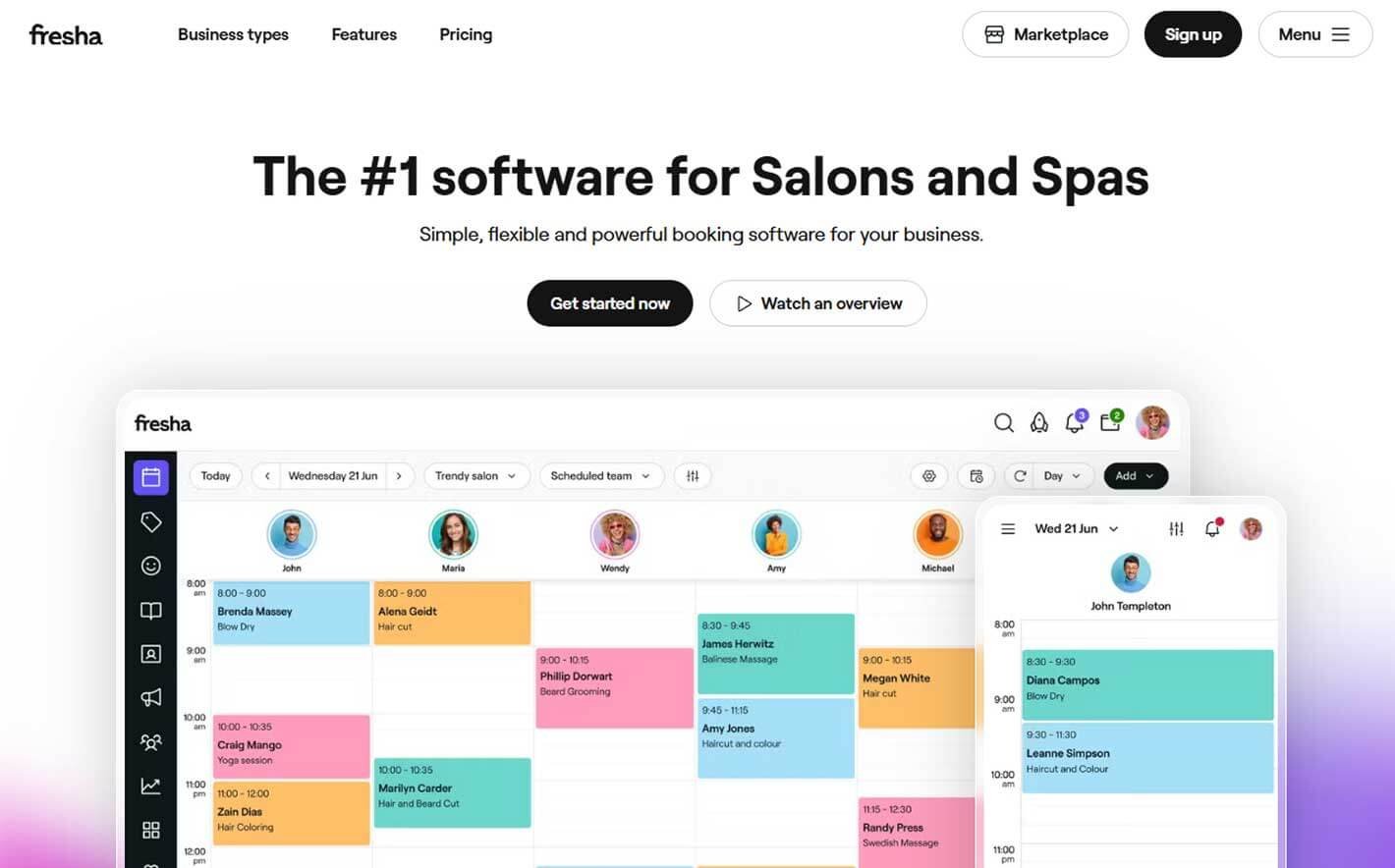
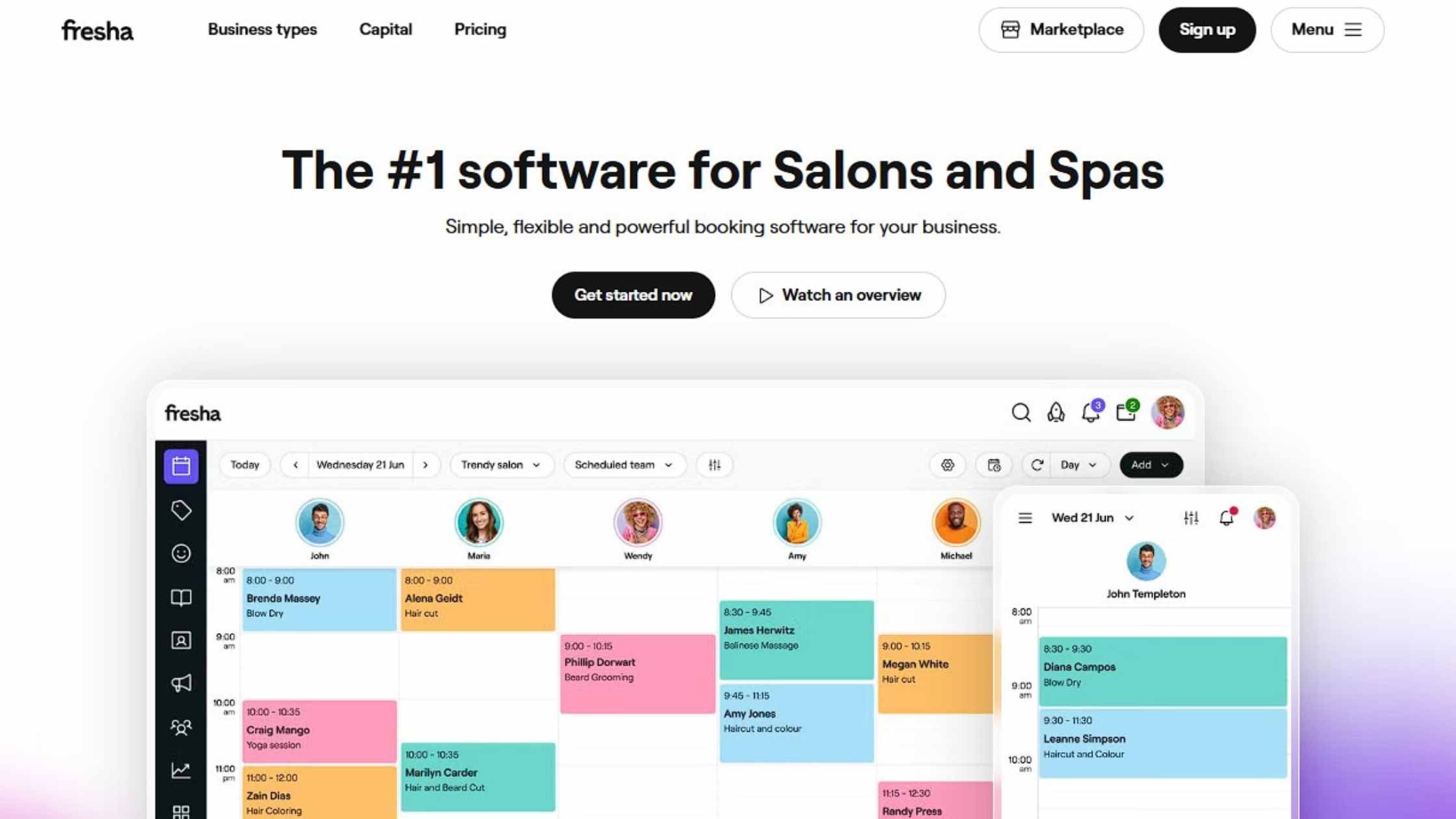
Fresha has become a well-known scheduling platform in the beauty and wellness industry. It offers appointment booking, point-of-sale features, automated reminders, and a marketplace where clients can discover new salons.
But many businesses eventually explore alternatives. The reasons vary depending on business size and priorities. Common concerns salon owners mention include the following:
Limited control over branding
Fresha operates as a hosted platform and marketplace. While this helps salons gain visibility, it also means businesses rely on Fresha’s platform for bookings and customer discovery.
Some owners prefer tools that allow full control over their booking page design, domain, and brand identity.
Marketplace competition
In marketplace platforms, multiple salons appear in the same search results. This means clients can easily compare nearby businesses. While exposure can attract new customers, it can also increase competition.
Growing operational needs
As salons expand, they often need features beyond basic booking:
- Staff and multi-branch scheduling
- Deposit and partial payment tracking
- Retail inventory management
- Financial reporting and analytics
Not every booking platform handles these needs equally well.
Integration requirements
Many businesses also want integrations with accounting software, CRM tools, marketing automation platforms, or POS systems.
For growing salons, these limitations often lead to the search for booking software similar to Fresha.
Hidden costs & marketplace fees
One of the biggest misunderstandings about booking platforms is pricing.
Some platforms advertise low monthly fees or free core plans. However, the total cost often includes additional charges.
Typical costs include the following:
- Payment processing fees
- Transaction charges for online bookings
- Marketing promotion fees
- Premium feature upgrades
- Additional staff licenses
Fresha promotes a no-subscription core model, but it charges fees for online payments and certain marketing tools. Payment processing fees are common across booking platforms and typically fall around 2.6%–2.9% plus a fixed fee per transaction, depending on the provider.
For growing teams, staff-based pricing models can also increase costs. For example, platforms like Booksy start around $29.99 per month, with additional charges for extra team members.
Because of these factors, experienced salon owners often calculate three-year software costs, not just the first year.
This helps avoid surprises later.
Control over branding & customer data
Brand ownership has become an important topic for many salons.
When booking happens entirely on a third-party platform, the business has less control over:
- booking page design
- client data ownership
- marketing communication
- domain and website integration
White-label booking tools and website-integrated systems allow businesses to create:
- custom booking URLs
- branded appointment pages
- custom intake forms
- fully owned customer databases
This approach can strengthen brand recognition and reduce reliance on marketplace platforms.
For salons building a premium brand or long-term client relationships, owning the booking experience can be a major advantage.
Feature & integration gaps in Fresha
Fresha includes many useful features, including appointment scheduling, reminders, POS tools, and payment processing.
However, some businesses still look for additional capabilities.
These may include:
Advanced reporting
Some platforms offer detailed analytics dashboards, revenue tracking, and service performance reports.
These insights help owners understand:
- top-performing services
- stylist productivity
- customer retention rates
- average ticket size
Flexible booking flows
Some scheduling tools allow highly customizable booking forms with routing questions, conditional logic, or intake forms.
This is useful for specialized services like spa treatments, consultations, or multi-step appointments.
Integration with external tools
Businesses sometimes require integrations with:
- accounting software
- CRM systems
- email marketing tools
- inventory management platforms
When those integrations are missing, switching to a more flexible system becomes appealing.
How to choose your next booking tool
Choosing the best Fresha alternative for salons and spas requires evaluating several important factors.
Below are key criteria to consider before switching software.
Ease of use
Salon staff interacts with booking software daily. A complicated interface can slow down operations.
Look for systems that offer:
- simple dashboards
- fast scheduling tools
- clear service menus
- easy appointment editing
Payment processing and deposits
Deposits can reduce cancellations and protect valuable time slots.
Important payment features include:
- partial payments or deposits
- refund management
- invoice tracking
- payment gateway compatibility
Staff and multi-branch management
Growing salons often need advanced scheduling features such as the following:
- multiple employee calendars
- shift scheduling
- branch-specific reports
- service-provider availability controls
Financial reporting
Good reporting tools should show the following:
- revenue summaries
- pending payments
- refunds
- taxes
- deposits received
This information helps owners manage finances more effectively.
POS integration
Many salons sell retail products alongside services. POS integration allows businesses to track retail sales, manage inventory, and process payments in one system.
Mobile friendliness
Booking software must work well on smartphones. Clients increasingly book services from mobile devices, so fast loading and simple navigation are essential.
Customization and scalability
A platform that works for a single stylist may not scale for a 15-employee spa.
Look for systems that support:
- API integrations
- customizable booking forms
- staff permission controls
- multi-location management
Customer support
Reliable support is crucial when scheduling systems fail or require configuration changes.
Look for vendors with responsive support teams and clear documentation.
Customization & scalability
Not every salon has the same needs. A single stylist may require only basic booking tools. A multi-location spa might need advanced scheduling, marketing automation, and analytics.
Features that support scalability include:
- multi-location management
- advanced staff permissions
- detailed analytics dashboards
- flexible API integrations
Choosing scalable software prevents the need to switch systems again as your business grows.
In-depth comparison of top Fresha alternatives (2026)
Below are several leading Fresha alternatives used by salons, spas, and independent beauty professionals. Each platform focuses on slightly different priorities, such as branding control, POS integration, mobile booking, or advanced reporting.
Understanding these differences helps salon owners choose software that fits their workflow, budget, and growth plans.
Salonly
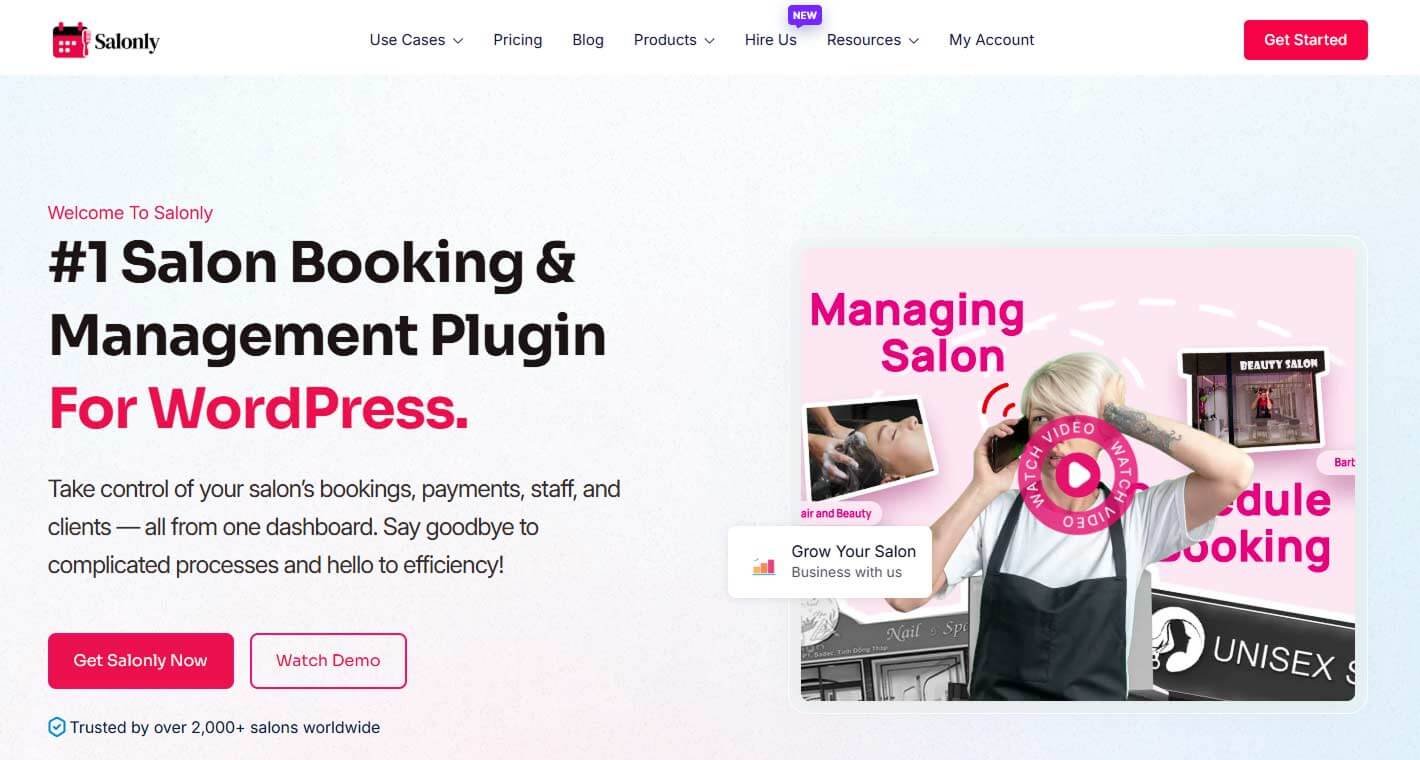
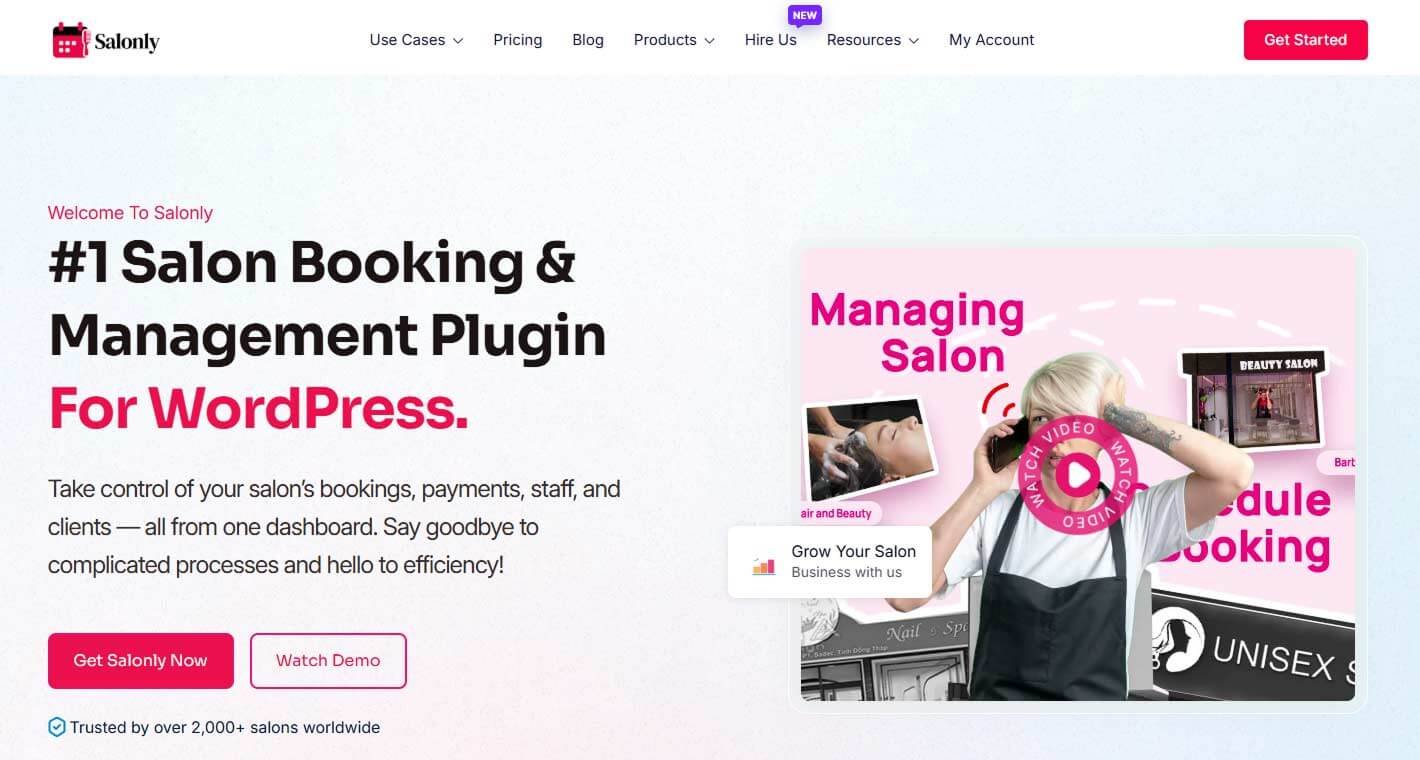
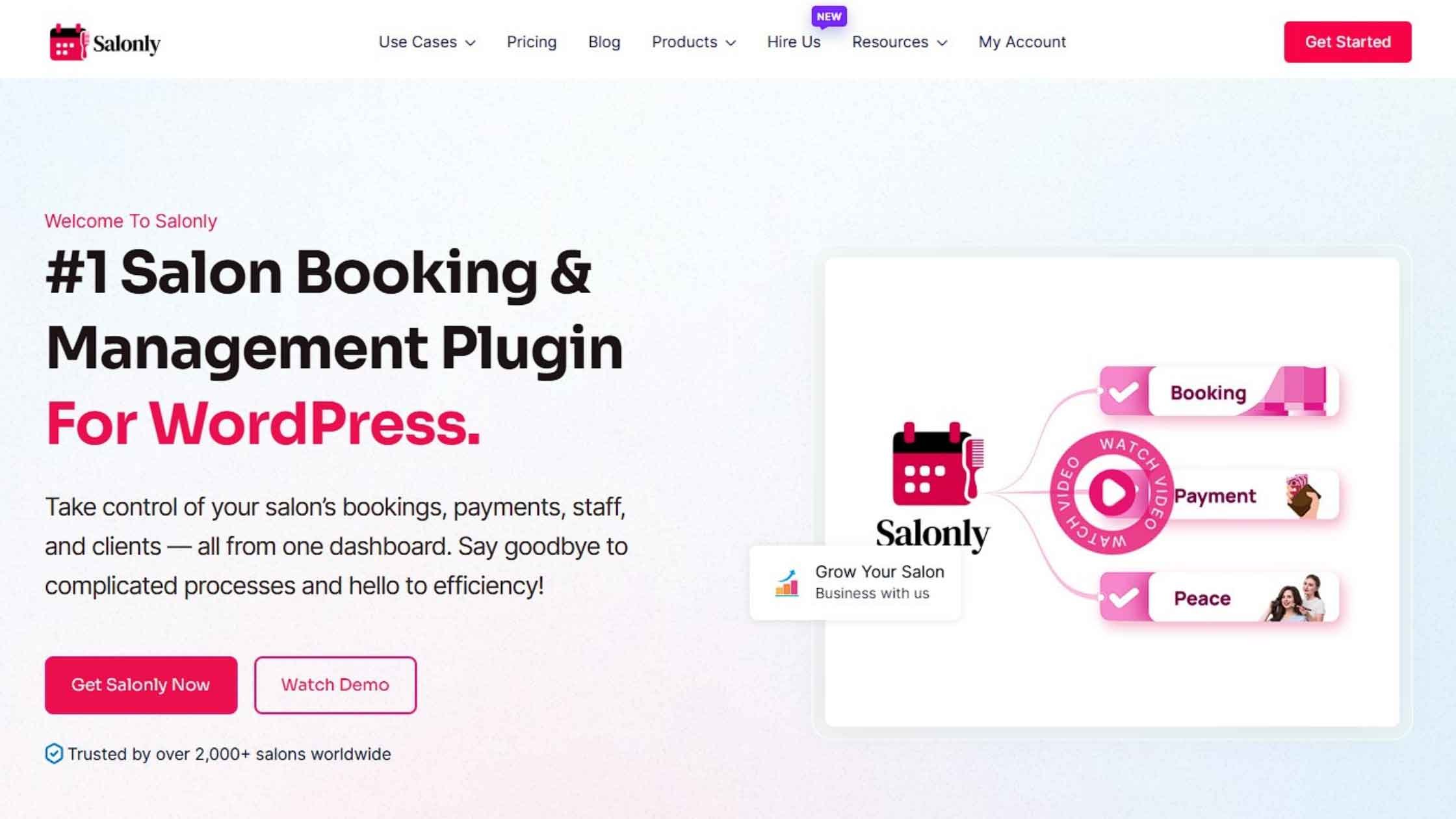
Salonly is a WordPress-based salon booking and management plugin designed for service businesses that want full control over their website and booking system.
Instead of relying on a marketplace platform, salons manage appointments directly from their own website. Clients can book services through a branded step-by-step booking flow where they select services, choose staff members, and pick available time slots.
The plugin supports deposit payments and partial payments, which helps reduce last-minute cancellations and protects valuable appointment slots.
Salony also includes built-in financial reporting tools that show income, deposits received, pending payments, refunds, and taxes. These reports help salon owners track revenue without exporting data to external tools.
For growing salons, the system supports multiple staff members, service bundles, and multi-branch setups, making it suitable for businesses planning to expand.
Users Like
- Full ownership of the booking system inside WordPress.
- Deposit and partial payment support to reduce no-shows.
- Built-in income, deposit, refund, and tax reporting.
- Multi-staff scheduling and service bundle support.
- A lifetime license option is available for long-term cost savings.
Can Be Improved
- Requires a WordPress website to operate.
- Fewer payment gateway integrations compared to some SaaS platforms.
Vagaro
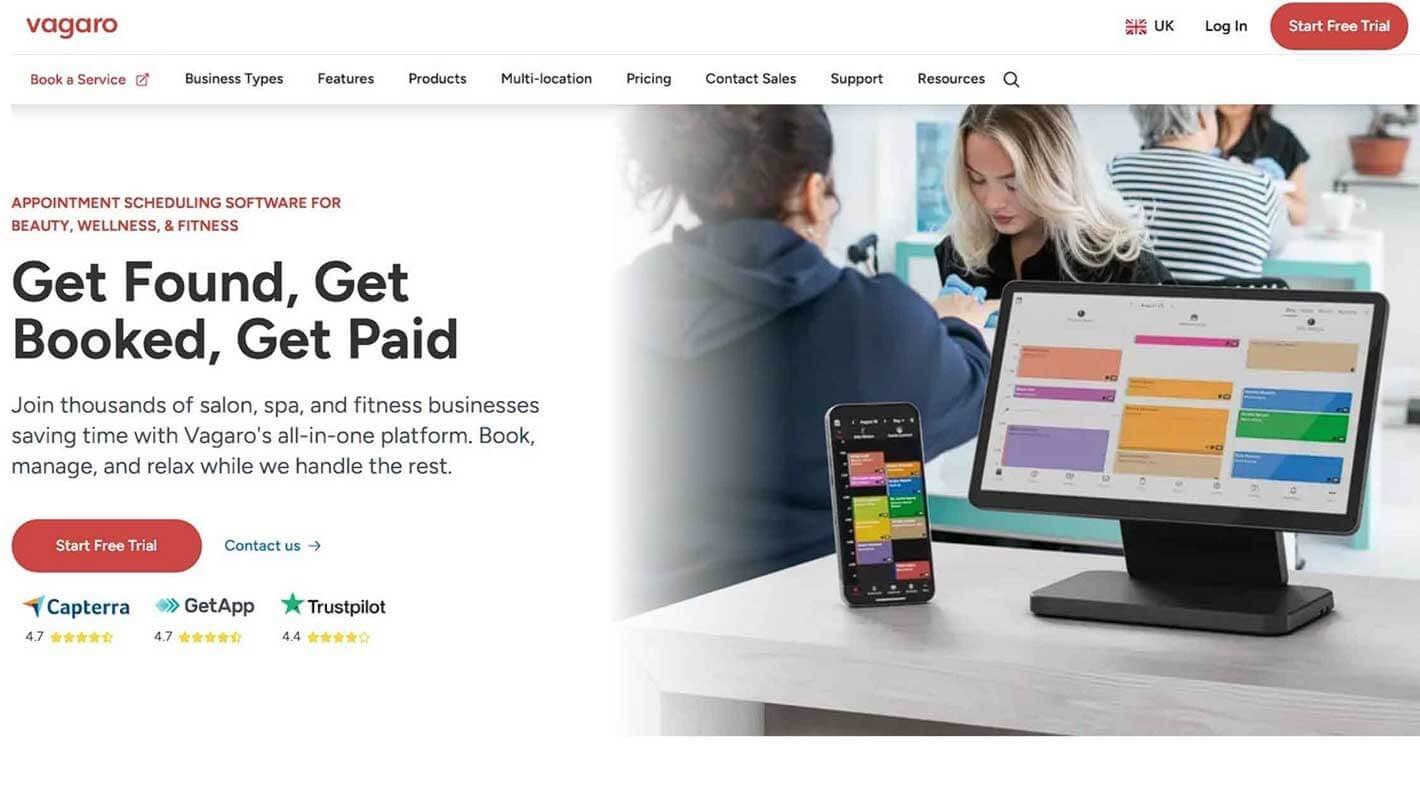
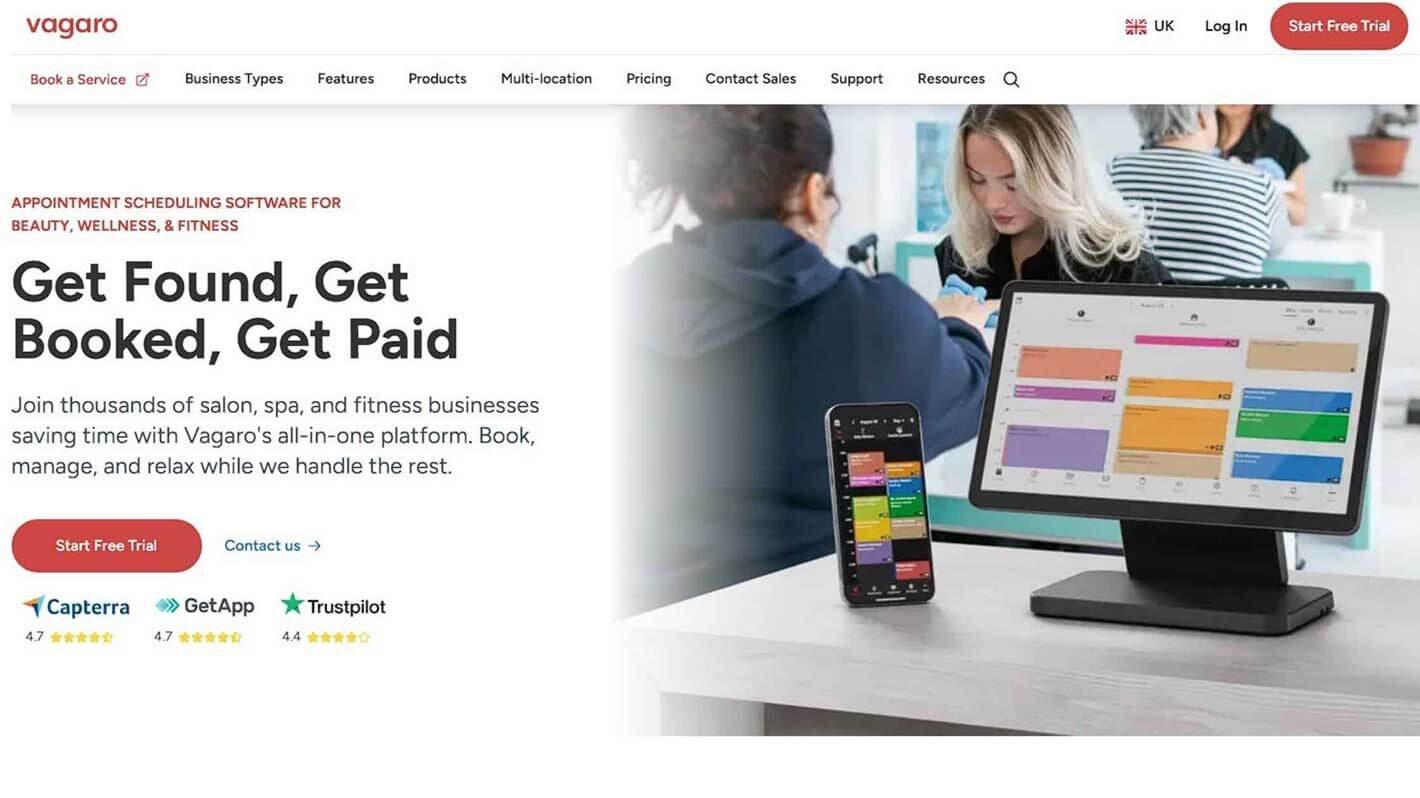
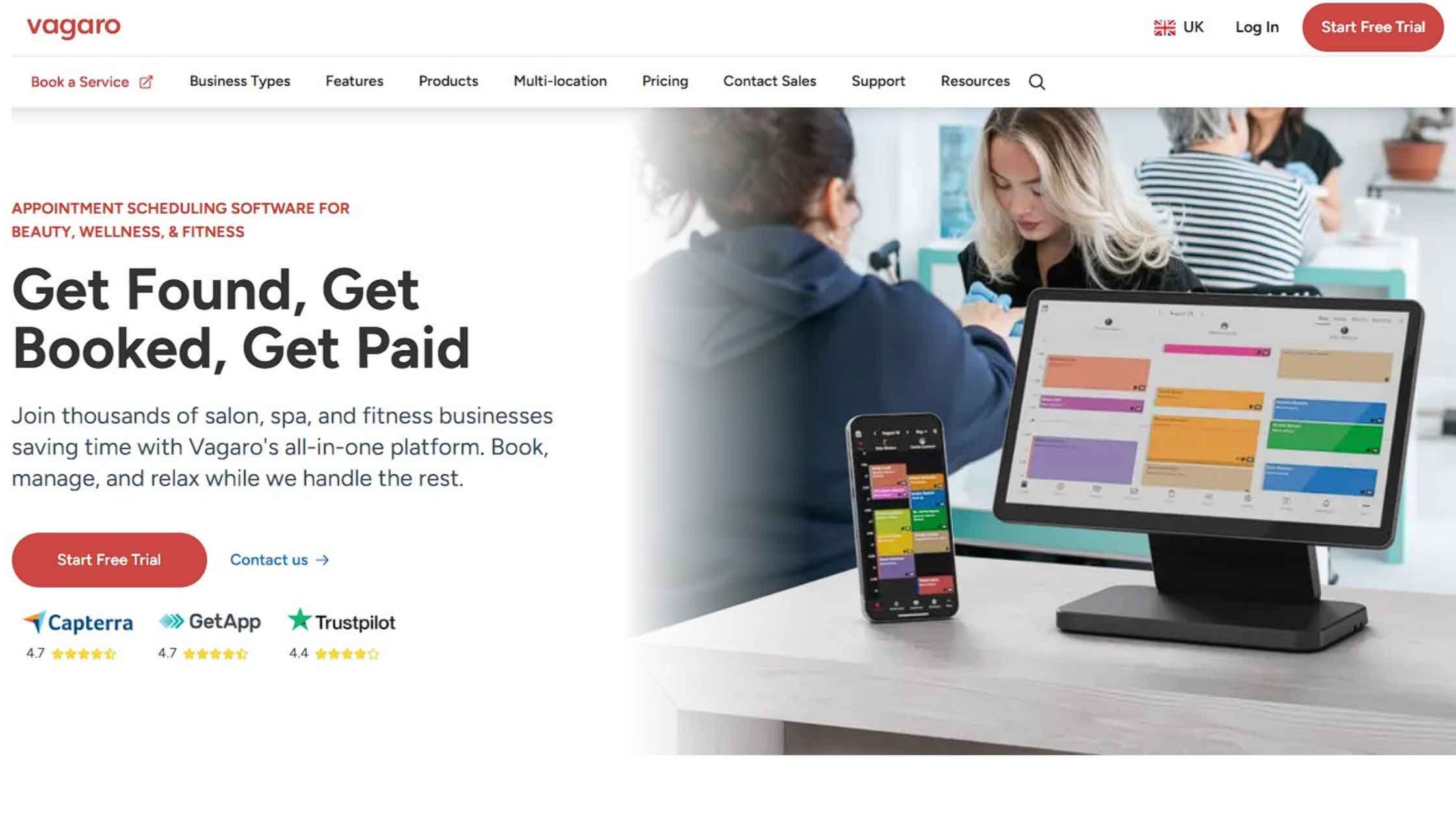
Vagaro is an all-in-one salon and spa management platform that combines online booking, marketing tools, POS features, payroll, and inventory management.
Clients can book appointments through Vagaro’s booking pages or mobile apps. The platform allows customers to choose services, staff members, and time slots in a streamlined booking process.
Beyond scheduling, Vagaro includes built-in marketing tools, including automated email campaigns, SMS reminders, and promotional offers. This helps salons maintain client relationships and encourage repeat bookings.
The platform also includes POS integration, which allows salons to sell retail products, track inventory, and process payments from the same dashboard.
Vagaro is particularly popular among medium-sized salons and wellness centers that need multiple operational tools in one system.
Users Like
- Combines booking, POS, marketing, and inventory tools.
- Supports multi-location and multi-staff management.
- Automated SMS and email marketing campaigns.
- Detailed reporting and analytics dashboards.
Can Be Improved
- Pricing increases as staff members are added.
- The dashboard can feel complex for first-time users.
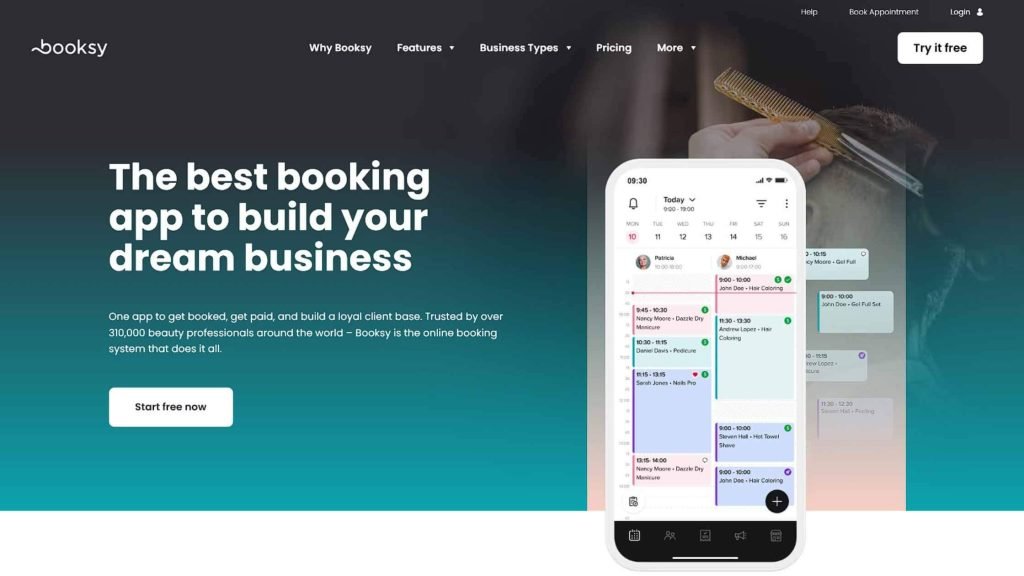
Booksy
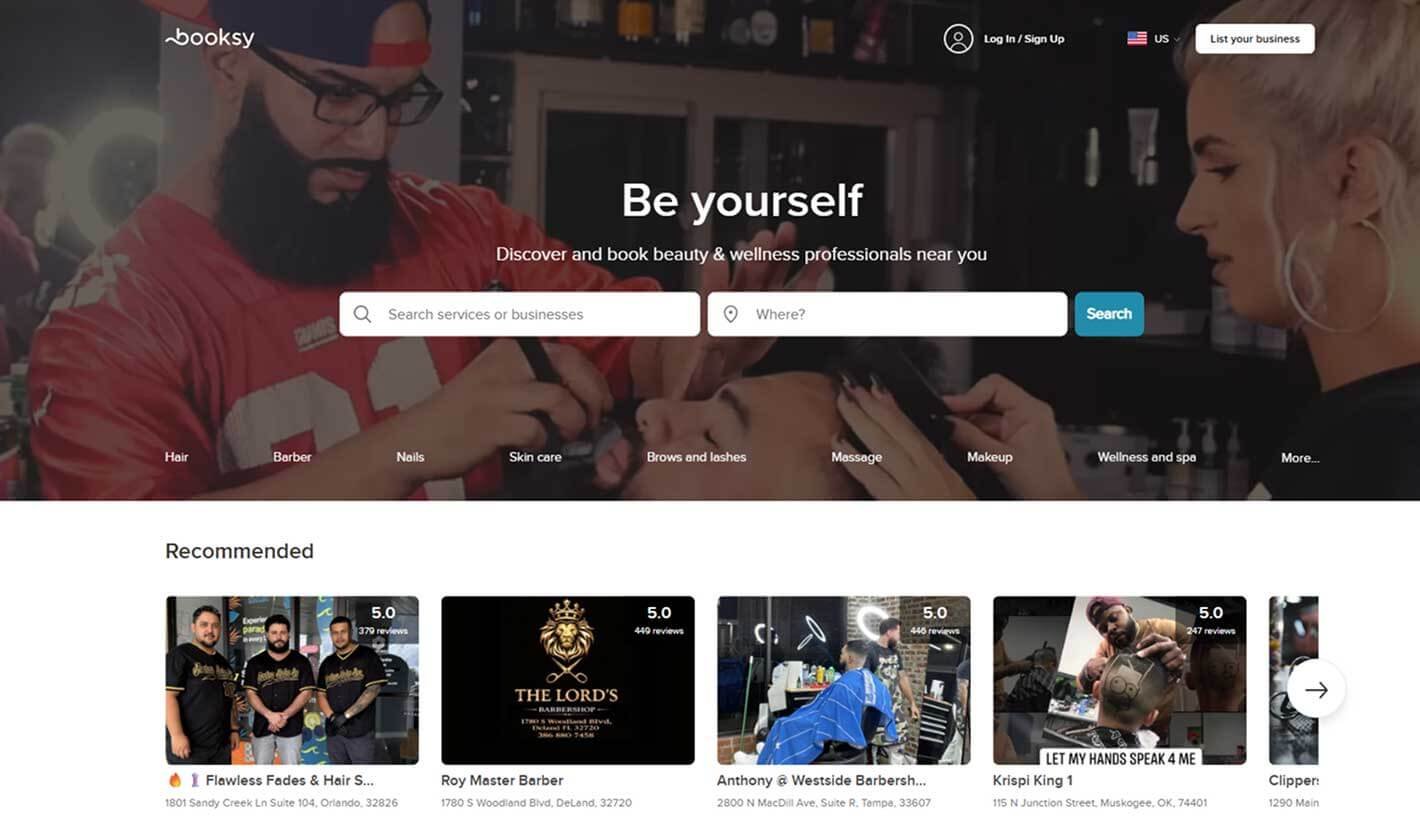
Booksy is a mobile-first booking platform widely used by barbers, stylists, and independent beauty professionals.
Clients typically discover salons through the Booksy marketplace or mobile app, where they can browse services, compare providers, and book appointments instantly.
The booking process is simple: clients select a service, pick a professional, and choose an available time slot. Automated reminders are then sent before the appointment.
Booksy also includes built-in payment processing and client management tools, allowing professionals to manage their calendars and communicate with customers directly through the platform.
Because of its strong mobile interface, Booksy is especially popular among solo professionals and small teams.
Users Like
- Simple and intuitive mobile booking experience.
- Built-in client reminders and scheduling tools.
- Marketplace exposure can attract new customers.
- Easy setup for independent professionals.
Can Be Improved
- Monthly subscription pricing increases with team size.
- Limited website customization compared to self-hosted tools.
- Clients can see competing salons within the marketplace.
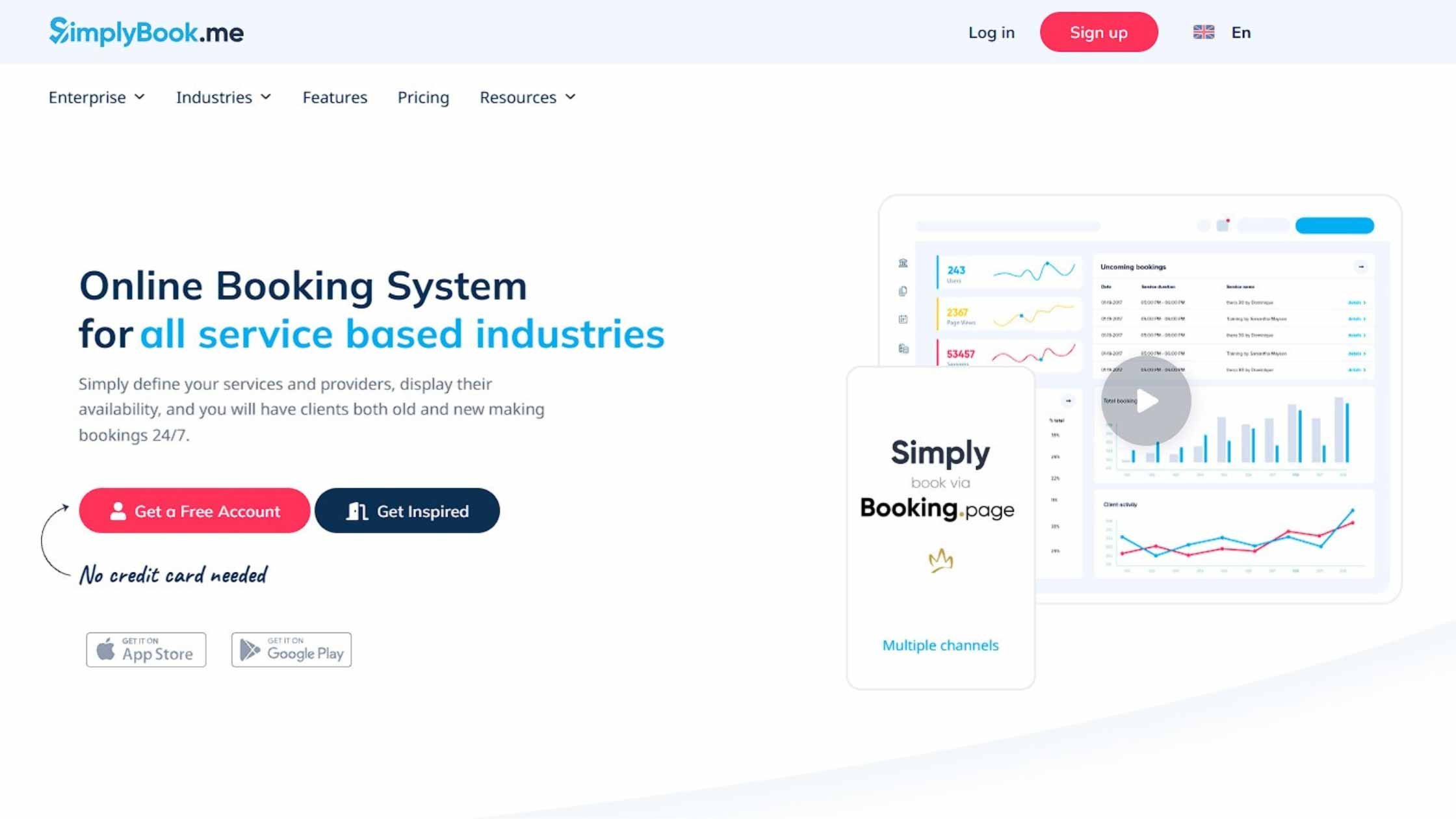
SimplyBook.me
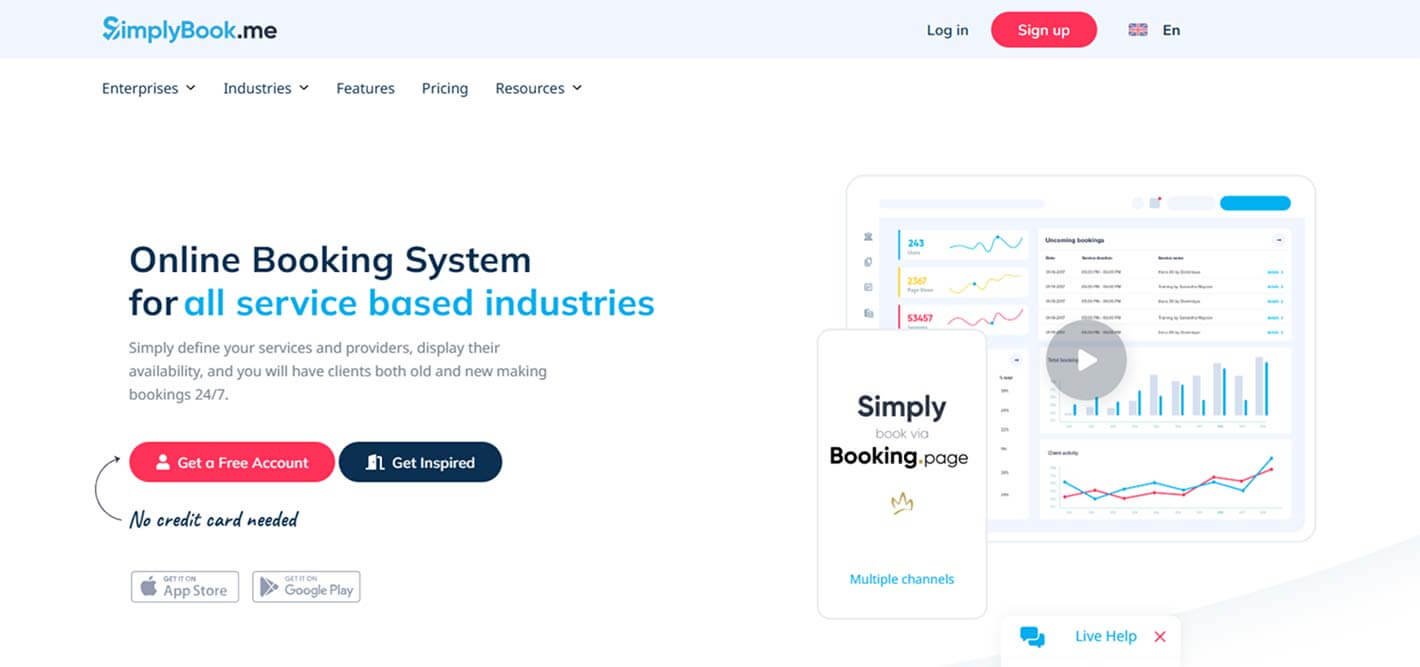
SimplyBook.me is a flexible appointment scheduling platform used by a wide range of service businesses, including salons, spas, healthcare providers, and consultants.
Customers can book appointments through customizable booking widgets embedded on websites or through standalone booking pages.
The system supports multiple payment gateways, memberships, service packages, and automated reminders. Businesses can also create customized booking forms and configure scheduling rules.
For advanced users, SimplyBook.me offers API access and numerous integrations, allowing businesses to connect the system with external marketing, CRM, or analytics tools.
This flexibility makes the platform a good option for salons that require detailed booking logic or integrations.
Users Like
- Highly customizable booking widgets and scheduling rules.
- Wide range of integrations and API access.
- Memberships, packages, and custom booking forms.
- Works across multiple industries.
Can Be Improved
- Many advanced features require higher-tier plans.
- Initial setup may feel technical for beginners.
Webba Booking Calendar
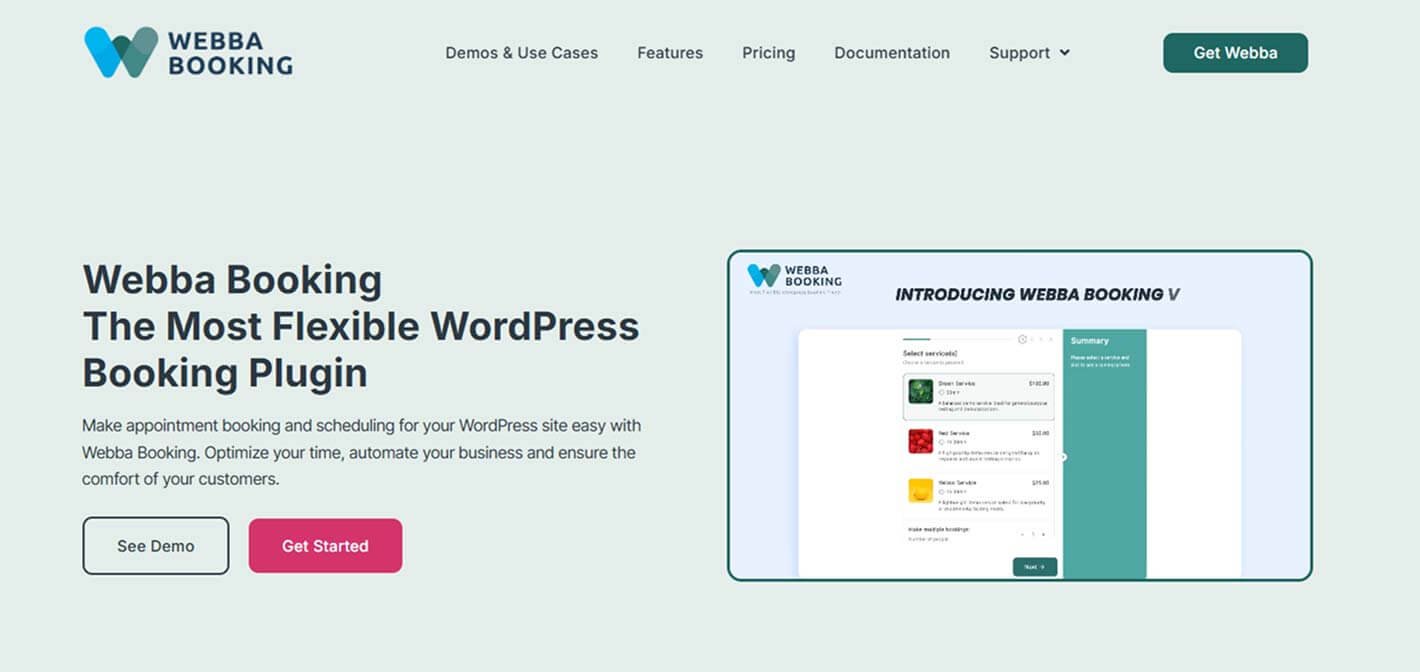
Webba Booking is a WordPress appointment booking plugin designed for service-based businesses that need flexible booking forms and scheduling tools.
Clients can book services through customizable forms embedded directly into a website. The system allows businesses to define service durations, staff availability, and booking time slots.
The plugin supports payment integrations and allows businesses to configure booking rules, confirmation emails, and appointment notifications.
Webba Booking is often used by smaller service businesses that prefer a lightweight scheduling solution inside WordPress rather than a full SaaS platform.
Users Like
- Flexible booking forms with customizable fields.
- Works directly inside WordPress websites.
- Payment integrations available.
- Suitable for various service industries.
Can Be Improved
- Fewer advanced business management features than larger platforms.
- Limited built-in analytics compared to full salon systems.
Calendesk
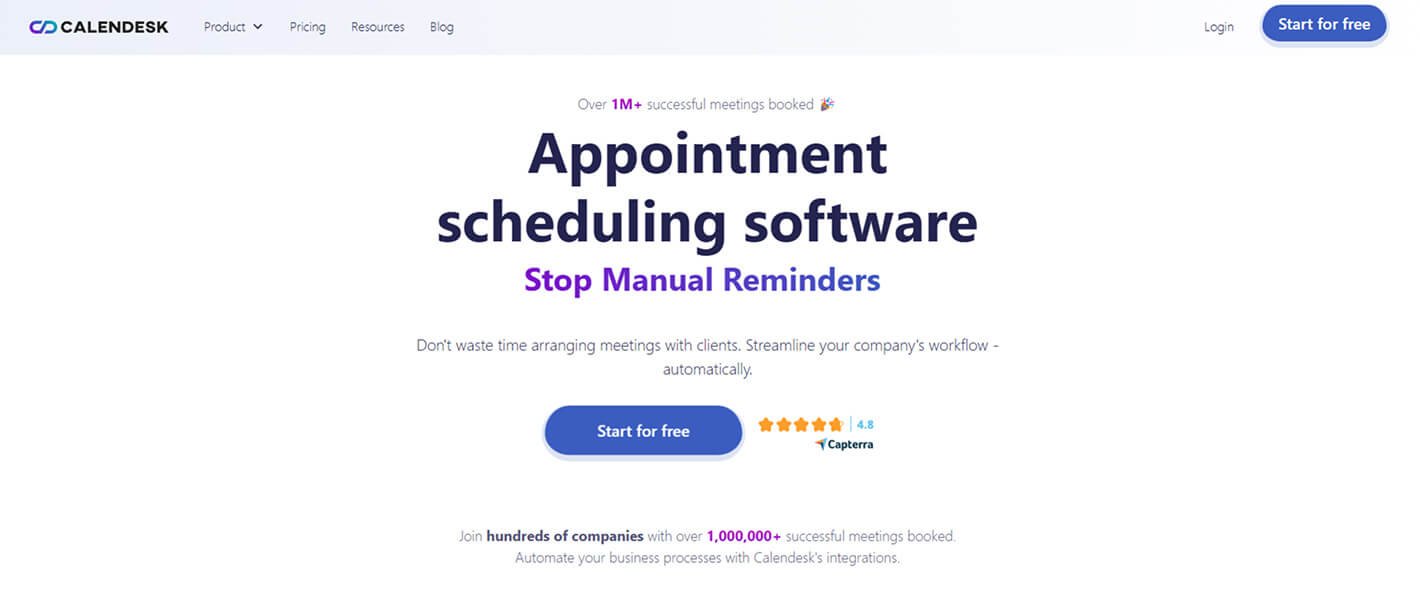
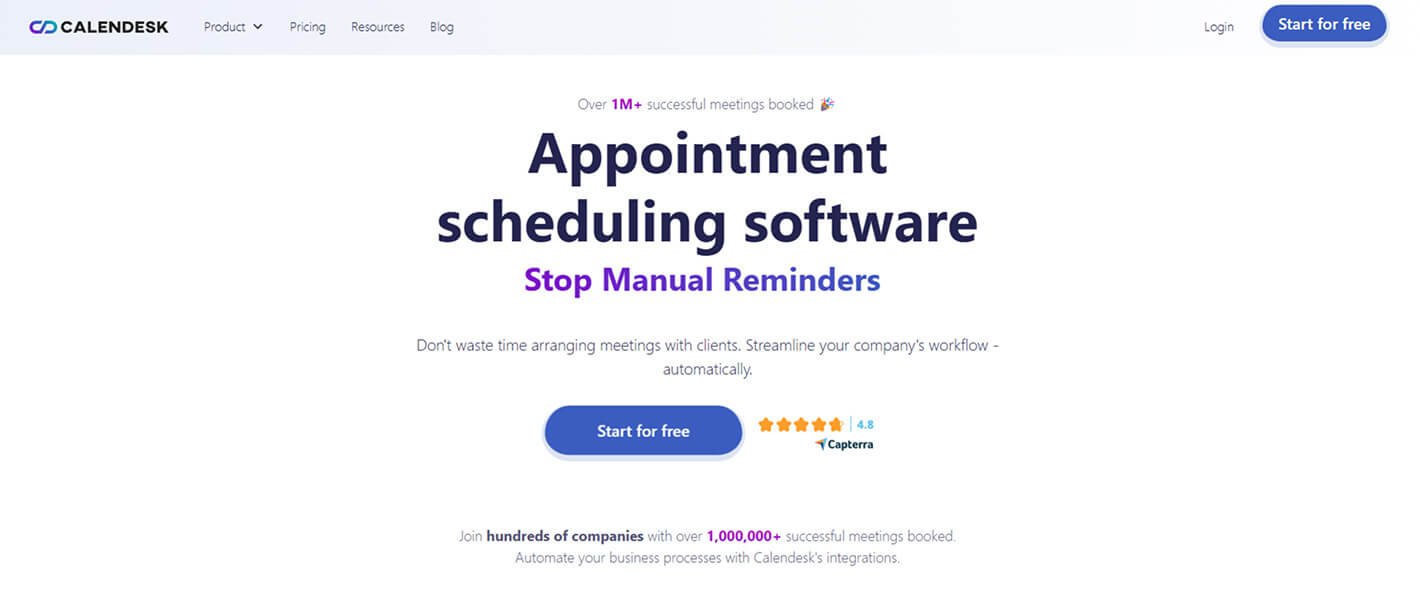
Calendesk is a customizable booking platform focused on automation, analytics, and flexible appointment workflows.
Businesses can create branded booking pages where customers select services, fill out intake forms, and choose available time slots.
The system supports advanced booking forms and conditional logic, making it useful for businesses that need detailed appointment information before confirming bookings.
Calendesk also provides analytics tools that track appointments, revenue performance, and service popularity.
Because of its workflow flexibility, it is often used by service companies that require more than basic appointment scheduling.
Users Like
- Customizable booking forms and workflow automation.
- Strong analytics and reporting tools.
- Integration options for external systems.
- Suitable for subscription-based service businesses.
Can Be Improved
- Less widely known in the salon industry.
- Smaller ecosystem compared to major booking platforms.
White-label & custom solutions
Some large salons and beauty franchises choose to build custom booking platforms or white-label scheduling systems.
Instead of using third-party marketplaces, these businesses operate their own booking technology integrated directly into their websites or mobile apps.
Custom solutions provide complete control over branding, booking logic, client data, and integrations.
However, they typically require a higher upfront investment and ongoing maintenance from developers.
For multi-location brands or franchises, this level of control can be worth the investment.
Users Like
- Full control over branding and booking experience.
- No marketplace commissions.
- Flexible integrations with internal systems.
Can Be Improved
- Higher development and maintenance costs.
- Requires technical expertise to manage.
Tips for transitioning from Fresha to a new system
Switching booking software requires careful planning. Here are several steps to ensure a smooth transition.
1. Test multiple platforms
Most tools offer free trials. Test booking flows from both the staff and client perspectives.
2. Export your client data
Before switching systems, export:
- client lists
- booking history
- service records
Always keep backups.
3. Review integration requirements
Ensure the new platform connects with your:
- payment processor
- POS system
- marketing tools
4. Train your staff
Staff should understand how to do the following:
- create bookings
- modify appointments
- process payments
5. Communicate with clients
Notify clients about the new booking system and update website links, social profiles, and email signatures.
A gradual transition helps avoid booking disruptions.
Conclusion & next steps
Many Fresha alternatives take this a step further by offering stronger brand control, deeper reporting, and flexible booking workflows. Platforms like Salonly, Vagaro, SimplyBook.me, and other scheduling tools allow salons to manage deposits, staff schedules, and payments while keeping the entire booking experience aligned with their brand.
As your salon grows, choosing the right booking system becomes increasingly important. The best platform is not always the one with the most features, but the one that fits your workflow, supports your team, and scales with your business.
Hopefully, this guide introduced you to several useful Fresha competitors and salon booking tools. Take time to test a few options, compare long-term costs, and choose the platform that feels easiest for your team and clients.
When the right system is in place, you will notice the difference quickly: simpler scheduling, steadier bookings, and a client experience that feels seamless from the first click to the final appointment.
FAQs
Is Fresha free?
Fresha offers a free core scheduling model, but transaction fees apply to online payments and some marketing tools.
What are the hidden fees in salon booking software?
Hidden costs in salon booking software often go beyond the advertised monthly price. In addition to the base plan, many platforms charge payment processing fees, marketplace commissions, promotional marketing fees for better visibility, and extra costs for premium features such as advanced reporting or automation tools. Because of this, it’s important to review official pricing pages carefully and calculate the full long-term cost before choosing a platform.
Which Fresha alternative is best for solo stylists?
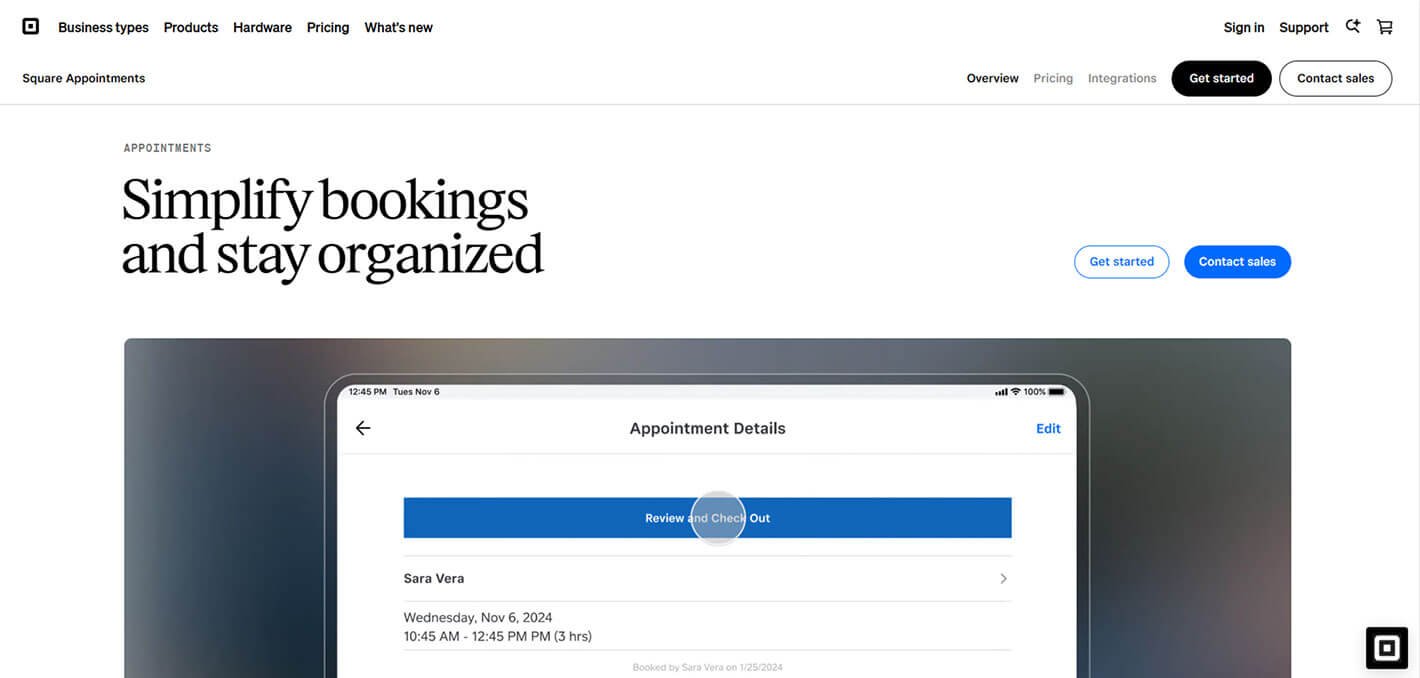
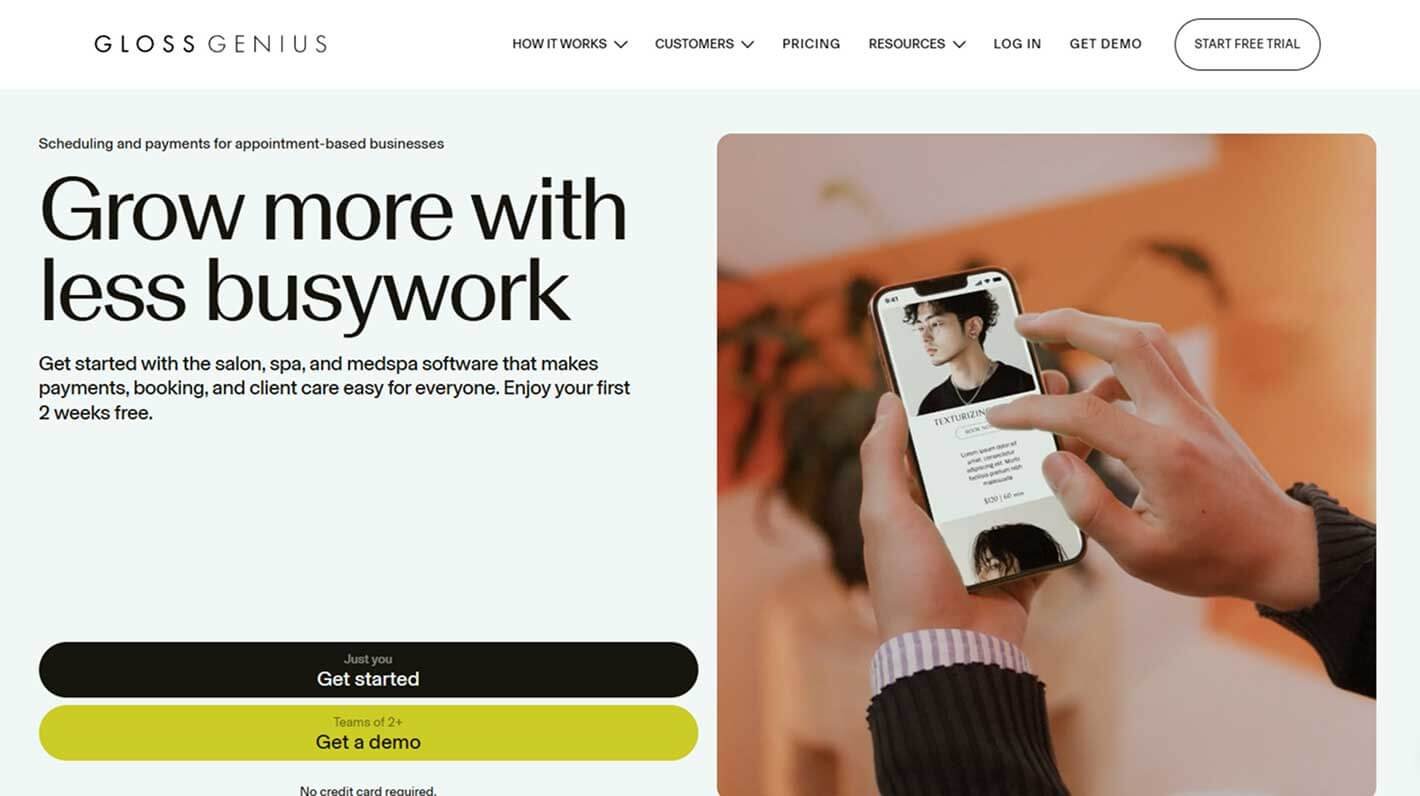
Platforms like Salonly, Square Appointments, GlossGenius, and Booksy are popular among independent professionals because of their mobile-friendly interfaces.
Can I migrate bookings without losing data?
Yes. Most booking platforms allow exporting client and booking data. Migration may require manual import or support assistance.